
The future of the crane industry: Trends and forecasts for the coming years

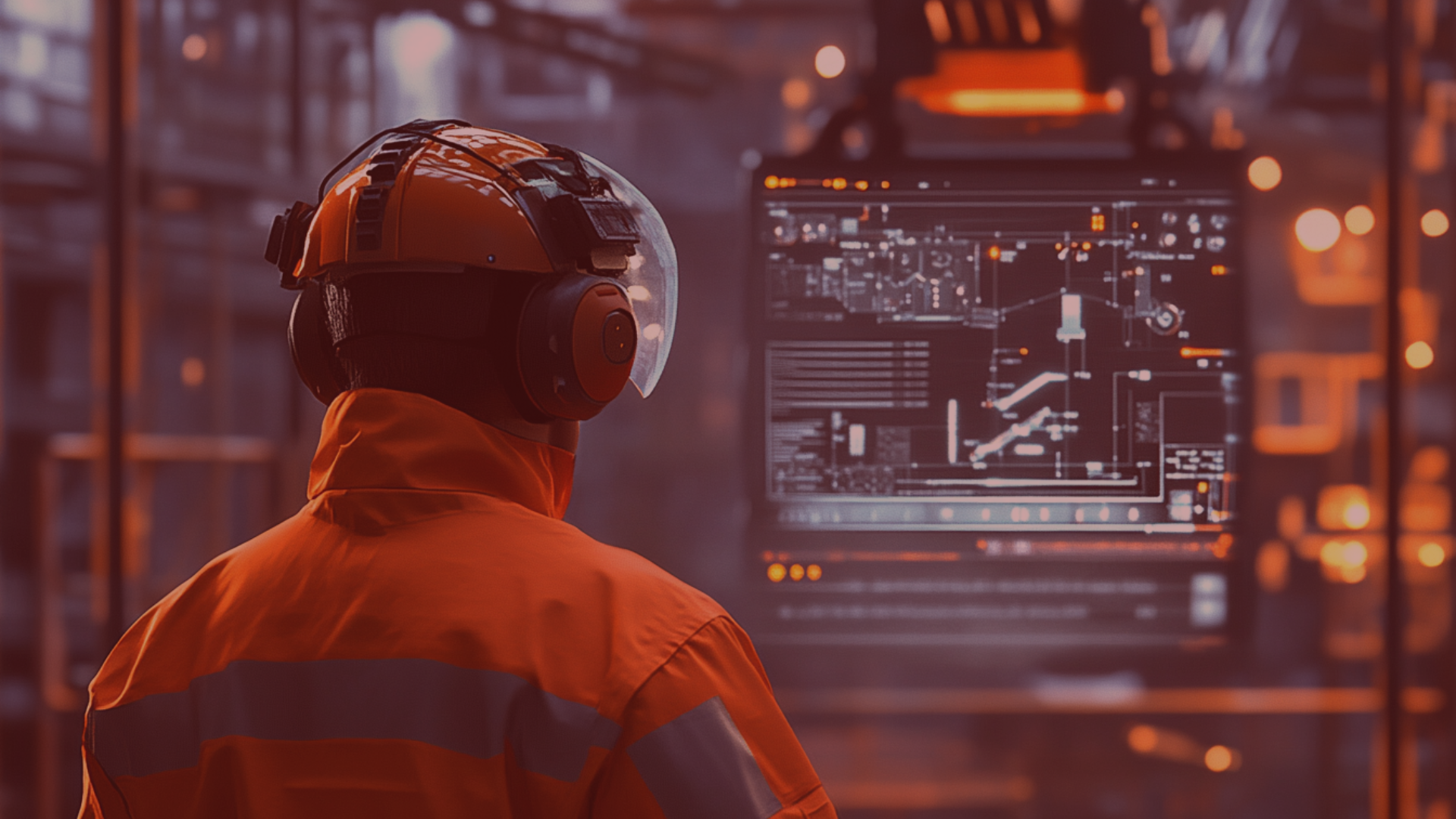
The crane industry, which is crucial for the industrial and logistics sector, faces significant changes. Technological progress, regulatory changes and dynamic market conditions affect the way crane equipment is designed, manufactured and used. In this article we present an in-depth analysis of the future of the industry, based on reliable sources from the US and Europe, to show key trends and forecasts for the coming years.
Global context of the crane industry
According to the report Mordor Intelligence of 2023, the global crane market is expected to reach a value of over $45 billion by 2027, rising at the pace of CAGR (average annual growth rate) at 5.5% between 2022 and 2027. This increase is driven by infrastructure development, urbanisation and increasing demand for efficient logistics solutions.
Key technological trends
1. Automation and robotisation of processes
Advanced control systems
Automation becomes an integral part of modern crane equipment. Crane Manufacturers Association of America (CMAA) highlights the growing use of advanced PLC (Programmable Logic Controller) and HMI (Human-Machine Interface) control systems, which allow precise and safe operations.
Robotics and artificial intelligence
The integration of artificial intelligence (AI) and robotics allows the creation of autonomous cranes capable of performing complex tasks on their own. An example are automatic gantry cranes used in seaports, which increase the efficiency of container handling.
2. Digitalisation and the Internet of Things (IoT)
Real-time monitoring
Using IoT technology allows you to collect real-time device data. European Materials Handling Federation (FEM) points to the importance of remote monitoring of parameters such as load, energy consumption or technical condition of components, allowing predictive maintenance.
Big Data and Analyst
Analysis of large data sets collected by crane devices allows for optimization of operating processes. Companies can identify patterns of equipment consumption, which translates into reduced costs and increased safety.
3. Virtual and expanded reality (VR/AR)
Training and simulation
VR and AR technologies are used to train operators in a secure, virtual environment. This allows to reduce the risk of accidents and quickly acquire practical skills. Occupational Safety and Health Administration (OSHA) in the US promotes such methods as effective educational tools.
Service support
AR technologies allow service technicians to access interactive instructions during maintenance work, which increases efficiency and reduces downtime.
Regulatory changes and safety standards
1. New safety standards
European regulations
The European Union is introducing increasingly stringent safety standards for cranes, such as Engineering Directive 2006/42/EC. . . It requires manufacturers to meet certain standards in terms of design, documentation and test procedures.
American standards
IN THE USA American National Standards Institute (ANSI) and OSHA regularly update safety standards with lifting equipment, focusing on operator training and regular inspection of equipment.
2. Environmental protection
Energy efficiency
The growing importance of sustainable development affects the design of devices with lower energy consumption. International Energy Agency (IEA) expects energy efficiency to become one of the key factors in market competitiveness by 2030.
Emissions and organic materials
Manufacturers are required to reduce emissions and use environmentally friendly materials. The introduction of electric and hybrid engines in place of traditional combustion engines is one of the directions of development.
Market power
1. Infrastructure development and urbanisation
Investment in infrastructure
Countries around the world invest in the development of transport, energy and industrial infrastructure. Projects such as the initiative Belt and Road in China or EU investment plans under Next Generation EU increase the demand for lifting equipment.
Urbanisation
According to United Nations, by 2050, around 68% of the population will live in cities, generating height construction and urban infrastructure needs, driving demand for specialised levers.
2. Globalisation and supply chains
Increase in international trade
Global trade requires efficient logistics systems. Seaports, airports and distribution centres invest in modern crane equipment to meet growing volumes of goods.
Diversification of supply chains
The COVID-19 pandemic highlighted the need for diversification of supply chains. Companies invest in automation of warehouses and logistics centers to increase flexibility and resistance to interference.
Challenges of the industry
1. Shortcoming of qualified staff
Education and training
The industry faces the challenge of lack of qualified operators and engineers. European Crane Operators Association (ECOA) stresses the need for investment in education and training programmes to attract young talent.
2. Cybersecurity
Protection of control systems
With digitization, the risk of cyber attacks on crane control systems increases. Companies must invest in security and safeguard procedures to protect data and ensure continuity of operations.
Future Forecasts
1. Integration of 5G technologies
The introduction of 5G will enable faster and more reliable communication between devices. This will allow the development of more advanced automation and remote control systems.
2. Development of hydrogen technologies
The use of hydrogen-based fuel cells can revolutionize the power supply of crane equipment, offering zero-emission solutions with high performance.
3. Personalization and added services
Companies will offer more personalized products and services, such as models Equipment-as-a-Service (EaaS)where customers pay for the use of devices instead of buying them, which increases the availability of modern technologies.
Business recommendations
- Investment in research and development: Companies should invest in developing new technologies and products to remain competitive.
- Partnerships and cooperation: Cooperation with universities, research institutes and other businesses can accelerate innovation.
- Sustainable development: The integration of environmental strategies into the business model is not only socially responsible, but also economically advantageous in the long term.
- Training and development of workers: Investing in the competence of employees increases efficiency and safety of operations.
Summary
The future of the crane industry will be shaped by technological innovation, regulatory change and global market trends. Companies that are able to adapt to these changes and exploit new opportunities have a chance for significant growth and success in a competitive market. PS Lift, as a leader in providing modern and adapted crane solutions, is perfectly prepared to meet the challenges of the future and assist customers in their development.