
Modern lifting systems – investment in the future of production

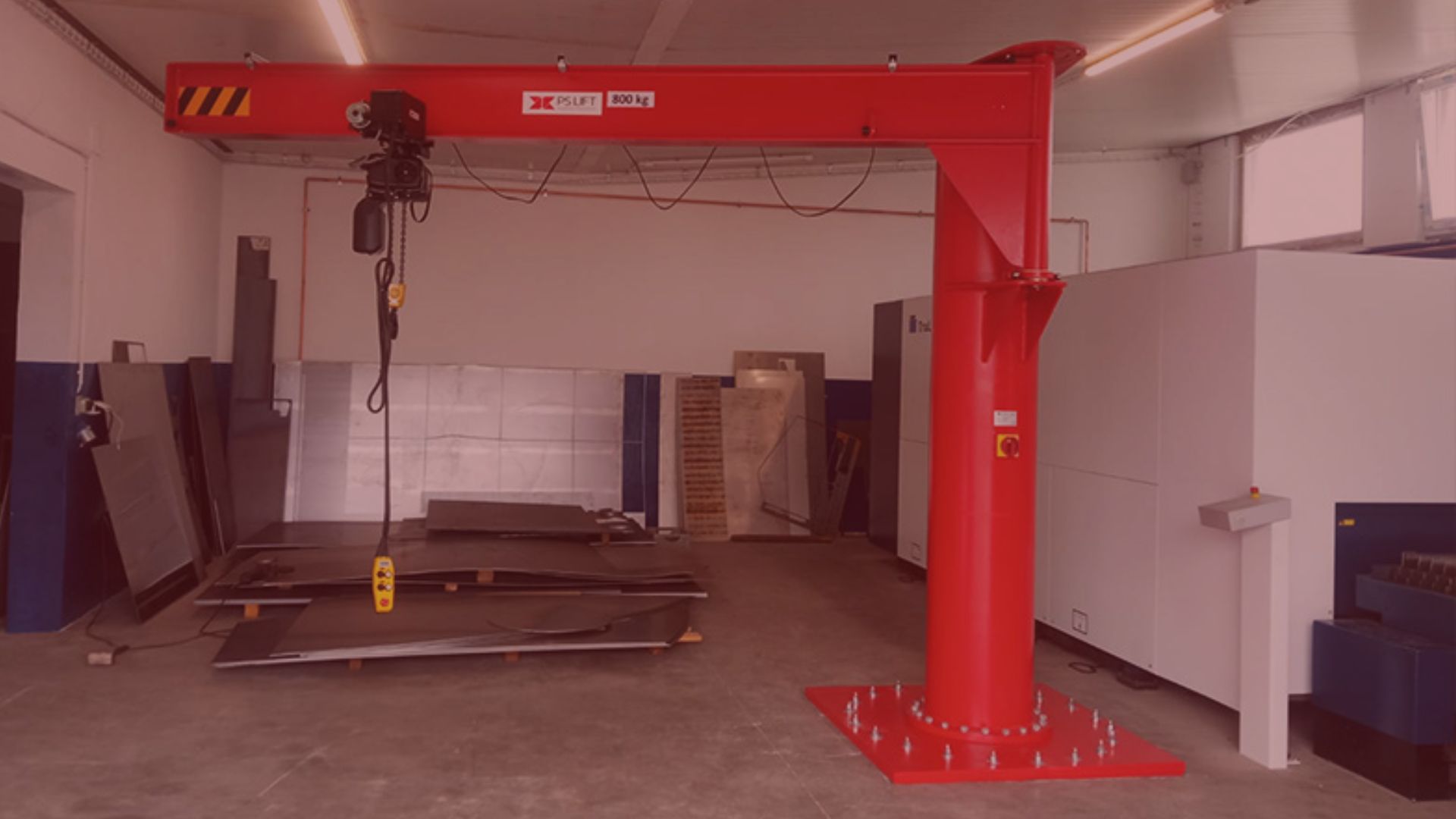
In a time of continuous technological development, production and logistics companies increasingly focus on automation and optimization of their processes. Investment in modern lifting systems, such as stationary cranes, pedestals or walled cranes, not only improves material flow, but also significantly improves work ergonomics and safety at production stations. In the article we will show how these advanced devices contribute to increased operational efficiency, discuss the key benefits of their application and present concrete case studies that illustrate their real impact on the functioning of companies.
Benefits of investing in modern lifting systems
Optimisation of production processes
Modern cranes make it possible to significantly improve the flow of materials in production plants. The automation of the operation, which includes both lifting and precise transport of components, translates into:
- Shortening of operation time: Automated systems eliminate the need for manual handling of heavy loads, which significantly reduces the time needed to perform operations.
- Damage reduction: Precise control of the movement of cranes allows gentle and controlled manipulation of materials, minimising the risk of damage to products.
- Flexibility in application: The variety of available models (stationary cranes, walled cranes, pole cranes) allows the equipment to be adapted to the specific characteristics of the plant – both indoor and outdoor.
Improving ergonomics and safety at work
Another key aspect is the significant improvement in working conditions. Thanks to the use of modern lifting systems:
- Reduction of physical load: Workers no longer have to perform severe and often repetitive manual activities, which reduces the risk of muscle trauma and overload.
- Increase in safety: Advanced security systems, such as arm rotation limiters or sensors monitoring the operation of the device, provide additional protection by eliminating potential hazards.
- Raising the OSH culture: Investment in modern technologies is also an expression of concern for workers’ health, which has a positive impact on their morale and loyalty to the company.
Operational efficiency and cost savings
Automated material transport contributes to a significant improvement in operational efficiency:
- Reduction of downtime: Fast and precise handling of loads allows for optimization of production processes, eliminating time-consuming manual interventions.
- Financial savings: The investment in advanced systems translates into lower operating costs, by reducing the number of errors, damage to products and the need for additional personnel to be employed for physical work.
- Improvement of the quality of products: Precise and repetitive operations affect the constancy of technological parameters, which is crucial for serial production.
Case study – real examples of implementation
The case studies below illustrate how cranes and modern lifting systems help to improve production efficiency, increase safety and optimize processes in various industries.
Crane in metalworking plant
 Project context:
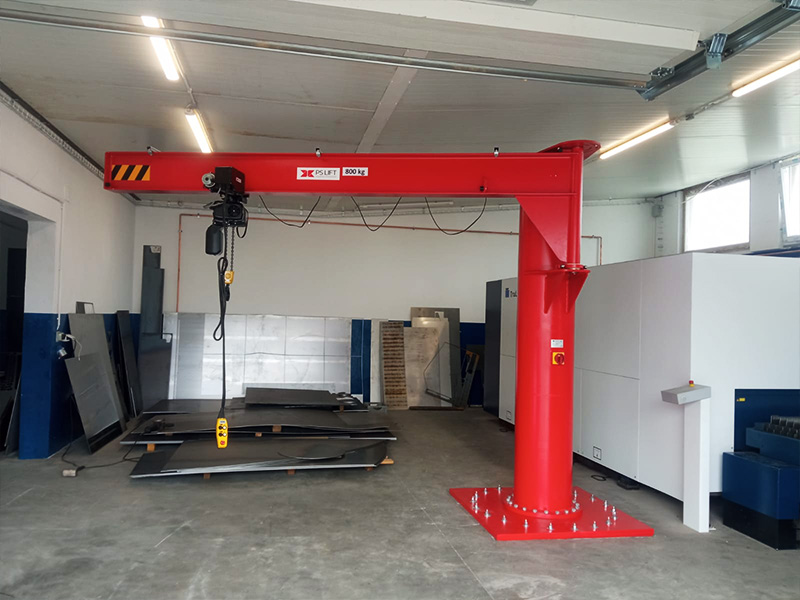
In a facility specializing in metalworking, the transfer of sheet metal sheets measuring 1500×3000 mm has been carried out so far by hand. This solution posed a high risk of material damage and exposed workers to significant physical burdens.
Solution:
Our company delivered and installed a dedicated crane, whose main task was to lift the sheets and transport them precisely to the machine. Key parameters of the device are:
- Load capacity: 800 kg,
- Dimensions: total height 2800 mm, arm length 3500 mm,
- Equipment: an electric chain hoist and GLA8F vacuum lift, as well as a control device to prevent collisions.
Implementation results: The implementation of the project contributed to a significant improvement in work ergonomics – operators no longer had to carry heavy sheets by hand, which reduced the risk of injury. The precise operation of the crane also allowed for a reduction in transport time, which led to an increase in production efficiency.
Crane at the sewage treatment plant – solution for outdoor work
 Project context:
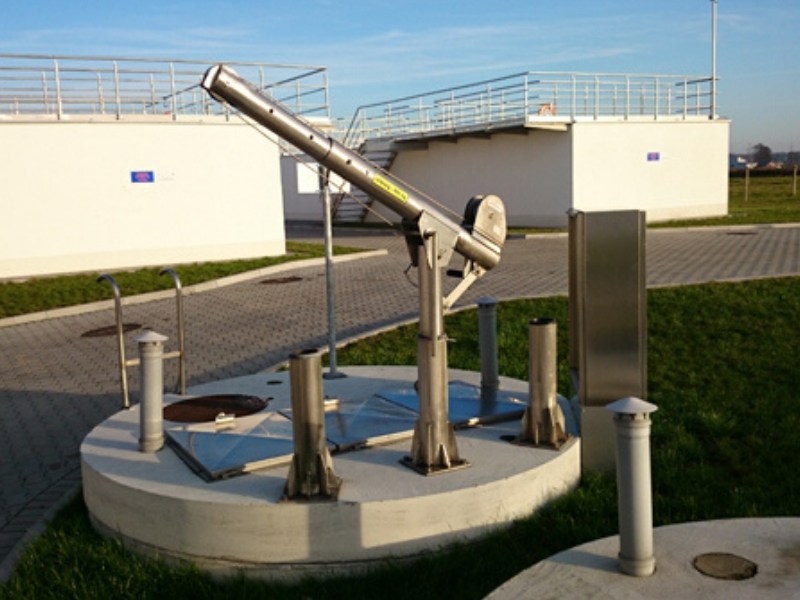
In the sewage treatment plant, it was necessary to implement a solution allowing safe and efficient lifting and extraction of pumps operating in external conditions exposed to changing atmospheric conditions.
Solution:
Mounted crane with a load capacity of 600 kg has been adapted for outdoor work. Equipped with:
- Special protective coating of a thickness of 120 μm, corrosion resistant,
- Robust fixing in the foundation,
- Additional protections, such as a mechanical brake on the arm, a protective visor for the hoist and a safety arm lock against wind gusts.
Implementation results: The project enabled efficient handling of pumps, increasing their availability to regular inspections and services. The stability and resistance of the equipment to atmospheric conditions contributed to increased operational safety and extending the life of the crane itself.
Titan’s pole crane – Support in CNC machined production
 Project context:
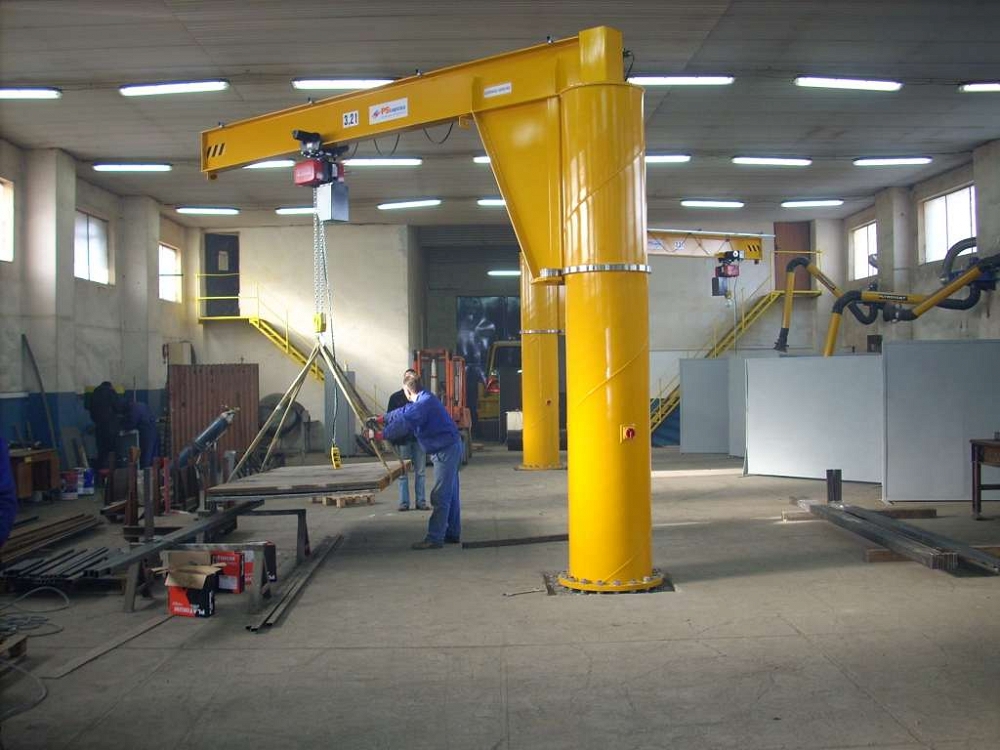
Pro-Tech, which operates on the domestic and European markets, needed a solution for the efficient insertion and removal of CNC shafts. The precise handling of heavy components was crucial to maintaining high quality standards.
Solution:
The supplied Titan pole crane was characterized by the following parameters:
- Load capacity: 1000 kg,
- Arm length: 6500 mm,
- Lifting height: approximately 3500 mm,
- Turn of arm: 360°.
The device was equipped with an electric hoist mounted on an electric trolley and mounted on an intermediate plate, which allowed precise adjustment to the production needs. Implementation results: Thanks to the use of Titan crane, the process of inserting and removing rollers has become more automatic and precise. The improvement of the operation significantly contributed to increasing production efficiency and improving ergonomics, which had a positive impact on the company’s overall financial performance.
Summary
Modern lifting systems are a key element in improving production processes. Examples presented in case studies show that regardless of the specificity of the plant – whether it is metal processing, the operation of equipment in a sewage treatment plant or the operation of CNC machines – the implementation of high-tech cranes leads to:
- Optimizing material flow and shortening the time of operations,
- Improvements in ergonomics and operational safety by reducing the physical burden,
- Increase in operational efficiency, which translates into financial savings and improving the quality of products.
For companies wishing not only to increase their competitiveness, but also to ensure the comfort and safety of their employees, investment in modern systems raising is a strategic step towards the future of automated production. Projects such as those presented above confirm that properly selected and professionally implemented crane solutions can become the foundation of an efficient and secure production line.