
Periodic Warehouse Regal Reviews: A Complete Guide

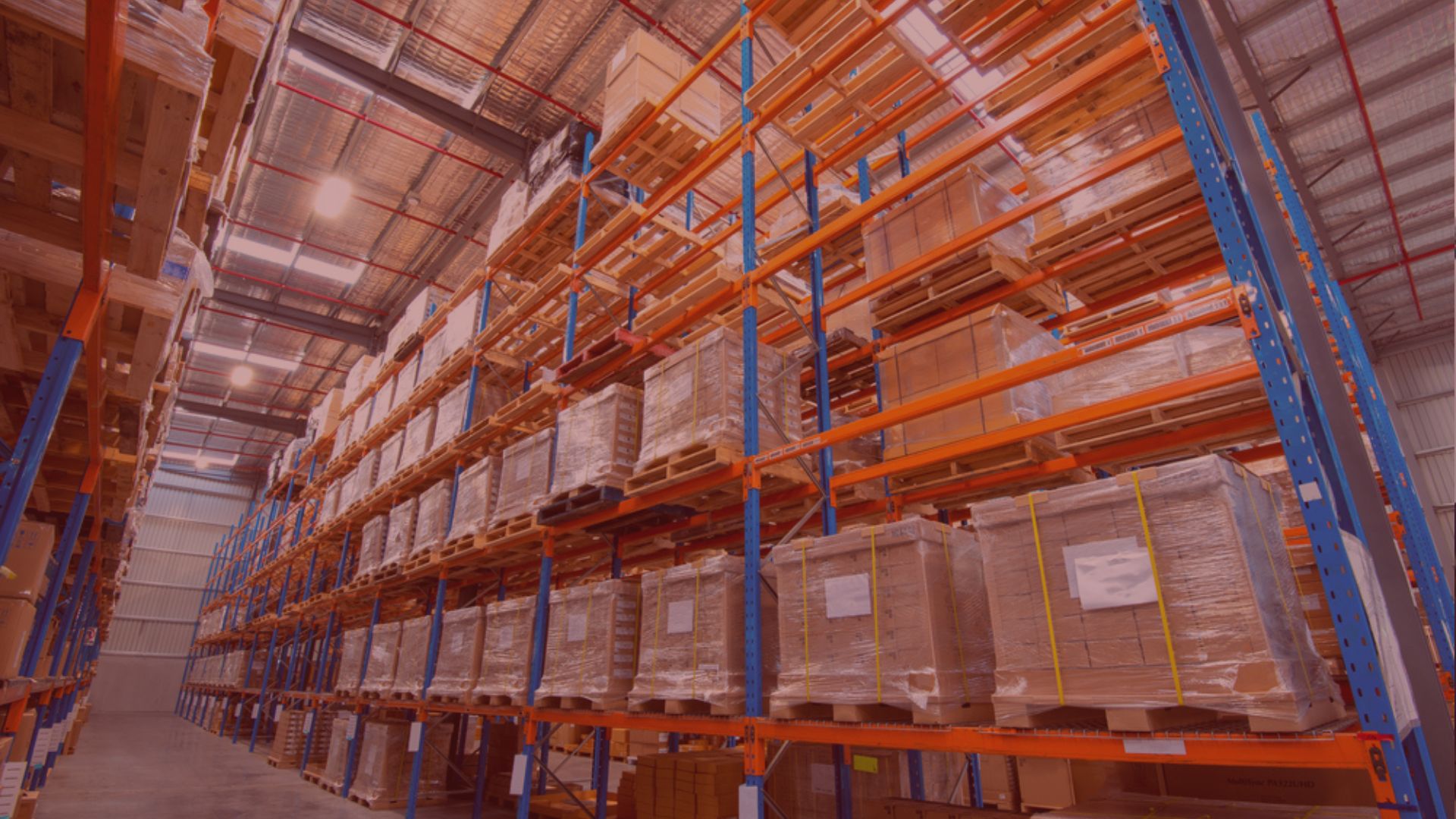
Ensure safety, avoid severe penalties and optimise the work of your magazine. This article is your key to understanding why regular bookshelf reviews are not a burdensome duty, but an intelligent investment in the stability of your business. Imagine the scenario: a forklift with momentum hits the shelf pole. The operator, perhaps under pressure of time, shrugs his arms – the damage seems small. A few weeks later, the same weakened structure, burdened with tons of merchandise, collapses, initiating a catastrophic domino effect. Effects? Destroyed goods, paralyzed operations, and in worst case, human tragedy. This is not an action film scenario, but a real risk in any magazine where periodic bookcase reviews are treated after stepmother. In Poland regular control of storage systems is not only good practice, but above all a hard legal obligation. Its disregard may lead to fines from the State Labour Inspectorate (PIP), refusal to pay compensation, or even criminal liability.
Regals Review – Your Legal Obligation. What do the Rules say?
Many managers ask themselves, “Is this really mandatory?”. The answer is yes, and this is due to several legal acts which form a solid legal basis for the need for inspections.
- Labour Code 207 §1): This is the foundation that imposes full and unquestionable responsibility on the employer for ensuring safe and hygienic working conditions. Each item of equipment for the warehouse, including racks, shall be included in this obligation.
- Regulation on general health and safety provisions 1997 No 129 item. 844): Here we will find specifics. § 68 and 69 specify that the racks must have visible statutory plates with permissible load, be stable and protected from overturning.
- Regulation on minimum health and safety requirements for use of machinery 2002 No. 191 item. 1596): Although the shelves seem static, this regulation classifies them as “machines” in a broad sense of the word. This requires regular inspections by “competent persons” at least once every 12 months.
Are the bookshelves subject to the Technical Supervision Authority (UDT)?
That’s a lot of questions. Stationary pallet racks are not directly subject to UDT. . . However, if the storage system contains automated components such as storage unitsThese devices are already subject to such supervision. Regardless of UDT, the warehouse owner is always obliged to maintain the racks in full technical fitness.
PN-EN Standard 15635: The Safety Bible of Your Warehouse
If legislation is a skeleton, it’s a European norm. PN-EN 15635:2010 is his nervous system. This is a key document that accurately describes how to take care of steel storage systems. This standard introduces a structured control structure and defines key roles.
Who can do a review? Three control levels:
The PN-EN 15635 standard creates a three-stage safety pyramid:
- Level 1: Daily Visual Control (Magazine Workers)
- Each trolley operator and warehouse worker is the first line of defense. Their task is to immediately report any observed damage, dents or irregularities.
- Level 2: Weekly Internal Control (PRSES)
- Standard requires designation Person Responsible for Storage Equipment Safety. . . He is an internal specialist who conducts regular, documented inspections and manages the repair process.
- Level 3: Annual Expert Review (Competent External Expert)
- A qualified external expert must carry out the inspection once every 12 months. Such a person has specialized measuring equipment and in-depth knowledge to assess, among others, the verticality of poles, bending of beams and general technical state of construction.
Green, Yellow, Red – A System That Saves Life (and Business)
The PN-EN 15635 standard introduces an intuitive, three-colour damage classification system that allows you to react quickly:
- 🟢 Green level: Minor damage within normal limits. It only needs to be observed and recorded in the control log.
- 🟡 Yellow level: Significant damage requiring action. Discharge the piece within 48 hours and repair within a maximum of 4 weeks.
- 🔴 Red level: Critical damage (e.g. crack, significant deformation). Require immediate unloading and disabling sections from use until repairs are carried out.
No Review is No Saving. It’s a Giant Risk.
The consequences of neglecting the review obligation go far beyond organisational issues. These are real financial and legal threats.
- Financial penalties: The Inspector of the State Labour Inspection may impose a mandate of up to PLN 5 000. . . In the event of serious negligence, he may refer the case to a court where the fines reach tens of thousands of zlotys.
- Insurance problems: In the event of a disaster, the insurer will first ask for the review documentation. Its absence is the standard basis for refusal to pay compensation for the damaged goods and infrastructure.
- Criminal liability: If an accident occurs as a result of the collapse of the bookcase, the prosecutor may press charges with Article 220 Penal Code, i.e. the worker’s exposure to a direct risk of loss of life or severe injury to health.
From Obligation to Competitive Advantage: Good Practices
A professional approach to reviews is not just avoiding penalties. It’s building a safety culture that translates into efficiency.
- Training is the basis: Regularly school forklift operators not only with safe driving, but also with the obligation to report any, even the smallest collision with the rack.
- Digitalisation in the security service: Modern WMS systems allow digital blocking of locations marked as “red”. Dedicated mobile applications (e.g. for PRSES) help document damage with photos and automate the reporting process.
- Liability and prevention: Enter a clear labelling and reporting system for faults. Promote a culture where infrastructure care is shared responsibility, not just the task of a designated person.
Practical Control List for your Warehouse:
✅ Have you appointed and trained a PRSES person? ✅ Do you have a current (not older than 12 months) expert review report? ✅ Do all the warehouse employees know how to report damage and who? ✅ Do you run the Review and Repair Journal? ✅ Do all racks have readable data plates with maximum load? ✅ Are the damage marked “yellow” and “red” adequately secured and out of use?
Conclusion
Periodic stock rack reviews are one of the pillars of a secure and efficient supply chain. Treating them as investment rather than cost protects what is most precious – human life and health – while at the same time safeguarding the company’s operational and financial continuity. Implementation of procedures based on PN-EN 15635 is today a standard for any professional logistics company. Don’t wait for PIP control or, worse, in case. Make sure your warehouse is safe today.
📞 Call us today: +48 65 513 12 92
📧 Write to us: sekretariat@ps-lift.com
Don’t take any chances — make sure the PS Lift magazine is safe!