
Efficiency and versatility of scissor lift tables in production – optimization of logistics and handling processes


In a rapidly developing world of industry and logistics, companies are constantly looking for solutions to increase operational efficiency, reduce costs and improve safety at work. Scissor lift tables are one of the key tools to support these objectives. In this article, we will look at how different types of scissor lift tables – station, two-scissor, tilting and other – affect the efficiency of processes in factories and warehouses. We will also discuss their role in reducing the cost of manual labour and improving safety standards.
Importance of scissor lift tables in industry
scissor lift tables are commonly used in many industries such as automotive, production, logistics or construction. They enable heavy loads to be raised and lowered to certain heights, which is crucial in loading, unloading and material handling processes. According to the report European Materials Handling Federation (FEM), efficient material flow management can increase productivity by up to 20%. . . In this context, scissor lift tables play an important role in optimising logistics processes.
Scissor type and use
Workstation lift tables
 Workstation lift tables are intended for work in specific working positions. They allow you to adjust the platform height to individual needs of the operator, which increases ergonomics and comfort of operation.
- Application: Production lines, assembly stations, packaging areas.
- Benefits: Reduction of employee fatigue, increase in precision and quality of the tasks performed.
Two-scissor lift tables
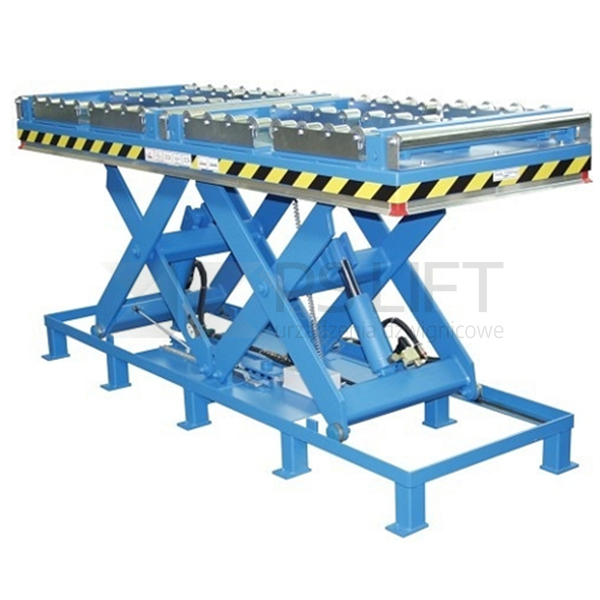 Two-scissor lift tables are characterized by a structure with a double scissor mechanism, which allows to achieve higher lifting heights.
- Application: High storage warehouses, CNC machine handling, inter-floor transport.
- Benefits: Increase the vertical range, save space by using space upwards.
Reversible lift tables
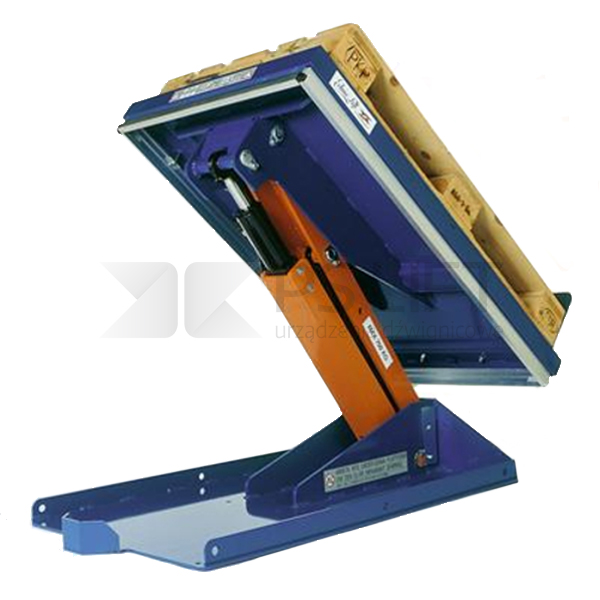 Reversible lift tables connect the lifting function with the possibility of tilting the platform at a specified angle. This facilitates access to cargo and improves work ergonomics.
- Application: Support for pallets, containers, bulk tanks.
- Benefits: Reduce the risk of injuries by minimizing uncomfortable body positions, increasing the rate of surgery.
Other specialised lift tables
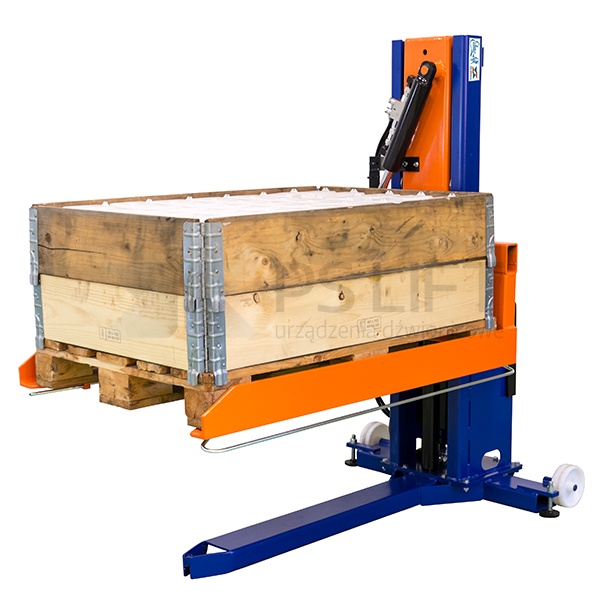
- Mobile cranes: Equipped with wheels, the lift table can be moved within the plant.
- Non-corrosive loader: Made of stainless steel, designed to work in environments with high hygiene requirements, e.g. in the food or pharmaceutical industry.
Impact on process efficiency in factories and warehouses
Optimization of operation time
The use of scissor lift tables allows for a significant reduction in the time needed to move and manipulate loads. The automation of these processes contributes to increasing the capacity of production lines and warehouses. According to the study International Journal of Production Research, automation of logistics processes can increase efficiency by up to 30%2.
Improving work ergonomics
Adjusting the working height and slope of the lift table platform minimises the physical load on workers. This prevents injuries resulting from long-term taking uncomfortable positions or lifting heavy objects. European Agency for Safety and Health at Work (EU-OSHA) points out that improving the ergonomics of workstations translates into a reduction in accidents and sick absences3.
Effective use of space
Scissor lift tables enable vertical space to be used, which is crucial in restricted-area warehouses. This allows you to increase storage capacity without the need to expand the facility.
Reduction of the cost of manual labour
Process Automation
The investment in scissor lift tables leads to automation of many manual activities. This means a lower demand for labour in areas requiring heavy physical work.
Reduction of injury costs
Improvements in ergonomics and safety translate into fewer accidents and injuries. Data Institute of Occupational Medicine prof. dra med. George Nofer, the costs associated with sickness abstinence and injury treatment are a significant burden for businesses.
Improving security
Minimising the risk of accidents
The stable construction of the lift tables and the use of modern control and security systems reduces the risk of freight collapse or equipment failure.
Compliance with standards and standards
Scissor lift tables offered by reputable manufacturers meet strict safety standards such as EN 1570-1:2011+A1:2014 concerning the safety of lifting platforms.
Trends and future of scissors
Integration with automation systems
More and more scissors are integrated into industrial automation systems, such as Industry 4.0 is Internet of Things (IoT). . . This allows remote monitoring of the operation of devices, diagnostics and process optimization.
Use in e-commerce logistics
The dynamic development of the e-commerce sector requires optimization of warehouse processes. scissor lift tables become an indispensable element of warehouse infrastructure serving a large number of orders at a short time of execution.
Summary
scissor lift tables play a key role in modernization and optimization of production and logistics processes. Their application translates into:
- Enhancing efficiency and operational efficiency.
- Reduction of the cost of manual labour and physical burden on workers.
- Improving the safety and ergonomics of workplaces.
- Efficient use of storage space.
Investment in modern lifting solutions, such as scissor lift tables, is a strategic step towards increasing the competitiveness of the company on the market. PS Lift offers comprehensive solutions tailored to the individual needs of customers. Our cranes are characterized by the highest quality of performance, reliability and compliance with the latest safety standards. We invite you to contact us for consultation and selection of optimal solutions for your business.
