
The crane industry and Ex zone


Many companies need to adapt to a number of EU regulations and restrictions resulting from their obligation to comply with them.
The EU ATEX Directive is no different. This Directive specifically clarifies the requirements to be met in order to allow the equipment to be used in an explosive zone in a particular undertaking.
We can most often find devices made by ATEX in the shipbuilding, reinforcement or mining industry. The chemical, alcoholic and food industries are also abounding in this type of equipment due to increasing restrictions on the safety of workplaces. And this has already greatly contributed to having an EX zone also in places that might seem at first glance safe. For a layman who is not oriented on the subject, this may sometimes seem absurd, but even flour or corn pose a risk of sparking. And as you know, where the spark is, it’s not difficult to explode.
ATEX briefly – i.e. how to understand it at all
The device to which the Ex symbol is given must first have a CE mark. All details are shown in the standards for Directive ATEX 114 (2014/34/EC).
The classification of explosion zones is defined by the Polish Standard on explosion prevention and protection. The responsibility of assigning the classification is borne by the investor, the designer responsible for the design of the building, as well as the final user.
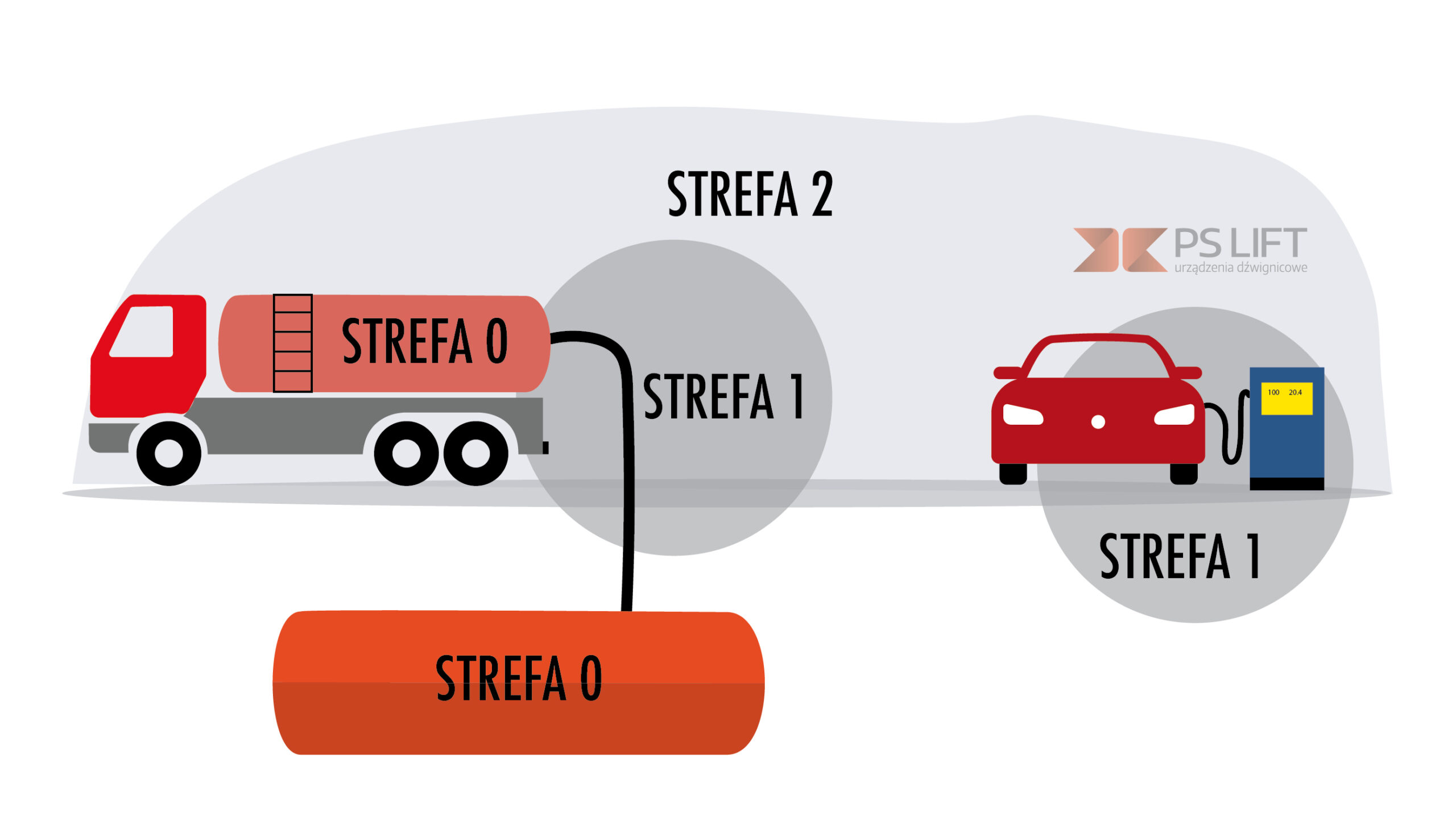
The danger area can be divided into three gas zones (zone 0.1.2) and three for dust (zone 20.21.22). Where a mixture of gases or dusts in a given area is constantly present, this zone will, for obvious reasons, be the most threatened zone. However, in places where mixtures occur only for a short period of time, the risk will be reduced by analogy.
Each device is given not only zone designation, but also category – gases (G) and dust (D). It is also important to identify the type of threat.
Groups of explosion control devices shall consist of:
– Group I – equipment which is intended to work in mines also in ground parts at risk of methane or coal dust explosion.
– group II – devices at risk of explosion, vapours, mists; it will be a propane, ethylene and hydrogen group.
– Group III – devices dedicated in areas at risk of flammable dust, i.e. combustible floating particles, non-conductive dust and conductive dust.
PS Lift enters ATEX zone
There are many versions of one device that will be subject to the ATEX Directive. It is crucial that all standards are met, but there is no single rigid rule as to how a given device is to be made.
Our offer expanded with ATEX devices. All projects are considered individually, therefore it is important to remember that we do not have devices working in the Ex zone immediately!
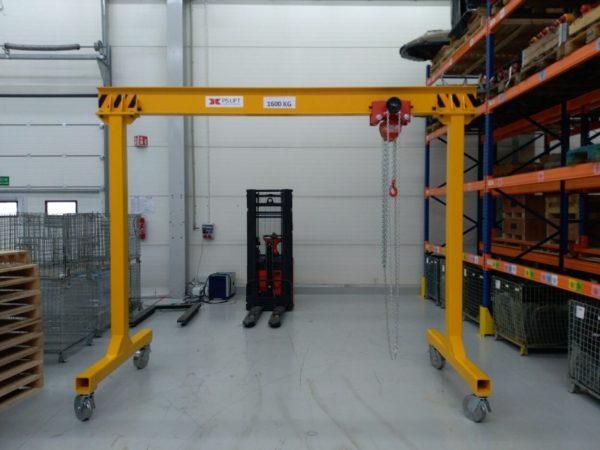
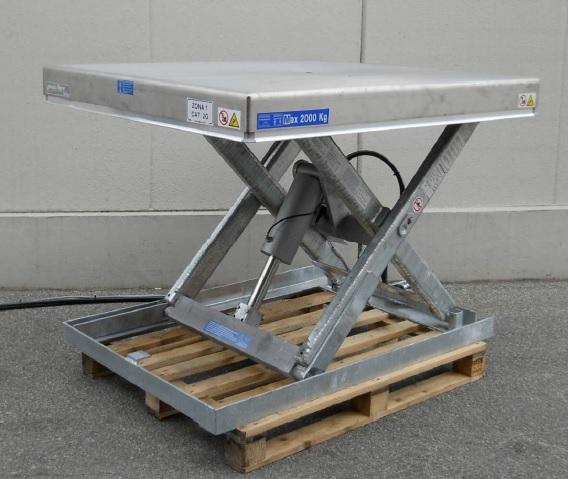
The offer includes stationary cranes, gantry winches, pallet trucks and lifting, hand and electric chain hoists as well as scissors.
What can we do for you so the device can work in the EX zone?
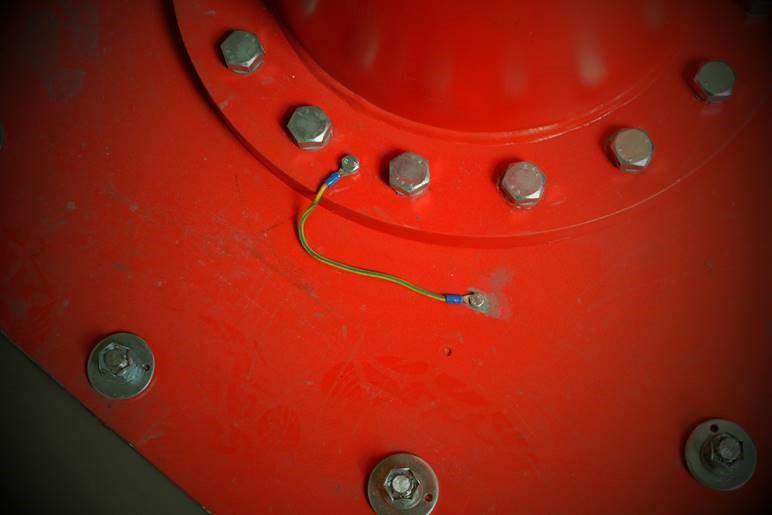
For devices to meet the standard, grounding can be used, for example. This type of performance prevents risks arising from electrostatic discharges. This solution can be implemented, for example, in pole cranes.
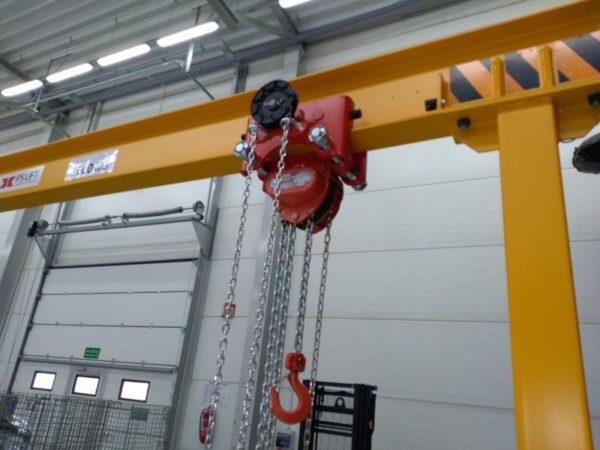
The equipment can also be equipped with bronze or copper elements. In the case of hand chain hoist, this is particularly important. In addition, a special housing for the brake can be offered.
In a gas-explosive zone, compressed air can also be brought into the interior of the device.
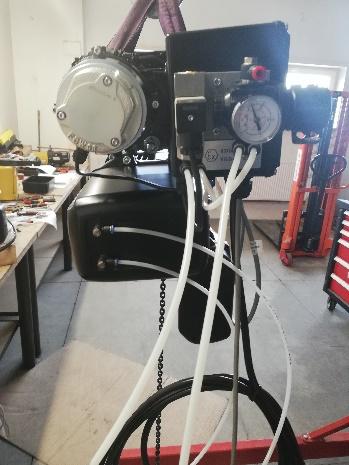
Products of the crane industry can have built-in thermostat, engine version ATEX, or fireproof construction for electrical installation.
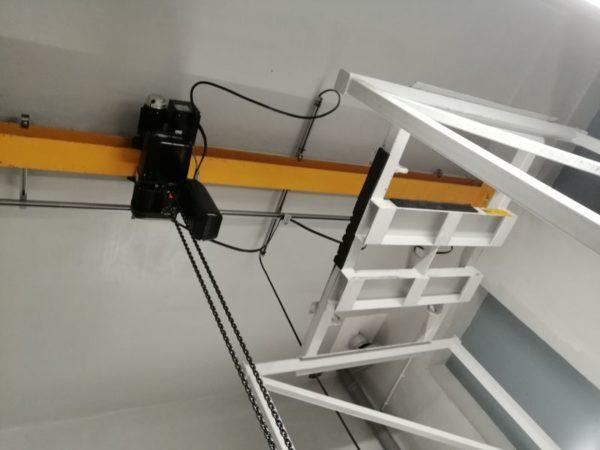
You can also meet with the use of spark-safe wires or cover the surface with stainless steel if the loads placed on this surface are made of spark-forming materials.
You want to know more?
Contact our specialists!
Full technical advice –DESIGN– DELIVERY –MONTHAGE– UDT REGISTRATION –REVIEWS – SERVICE AND MAINTENANCE
